About the Project
Energy demand across southern Idaho, including the Magic Valley, continues to rise. By the end of the decade, Idaho Power’s peak demand is expected to increase by nearly 1,000 MW – nearly 15 times the combined output of the Shoshone Falls and Twin Falls hydroelectric plants
Idaho Power has proposed the South Hills Power Plant near the Milner hydroelectric project to help meet growing energy needs across our service area.
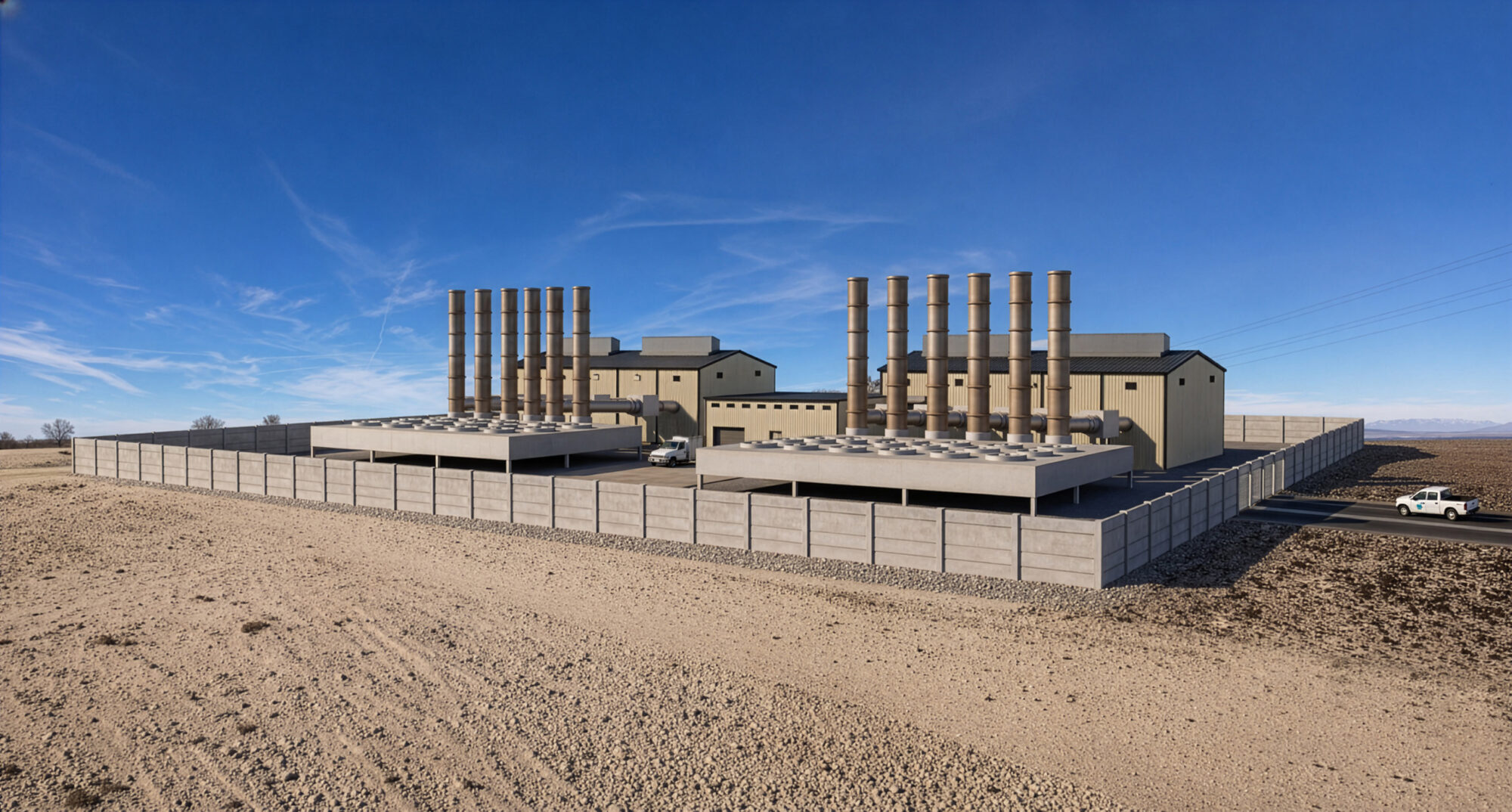
The plant will include 12 natural gas-fired engines, which can operate independently or together. These units can produce full power in under five minutes and quickly adjust output, helping Idaho Power respond to changing customer needs and variations in other energy sources.
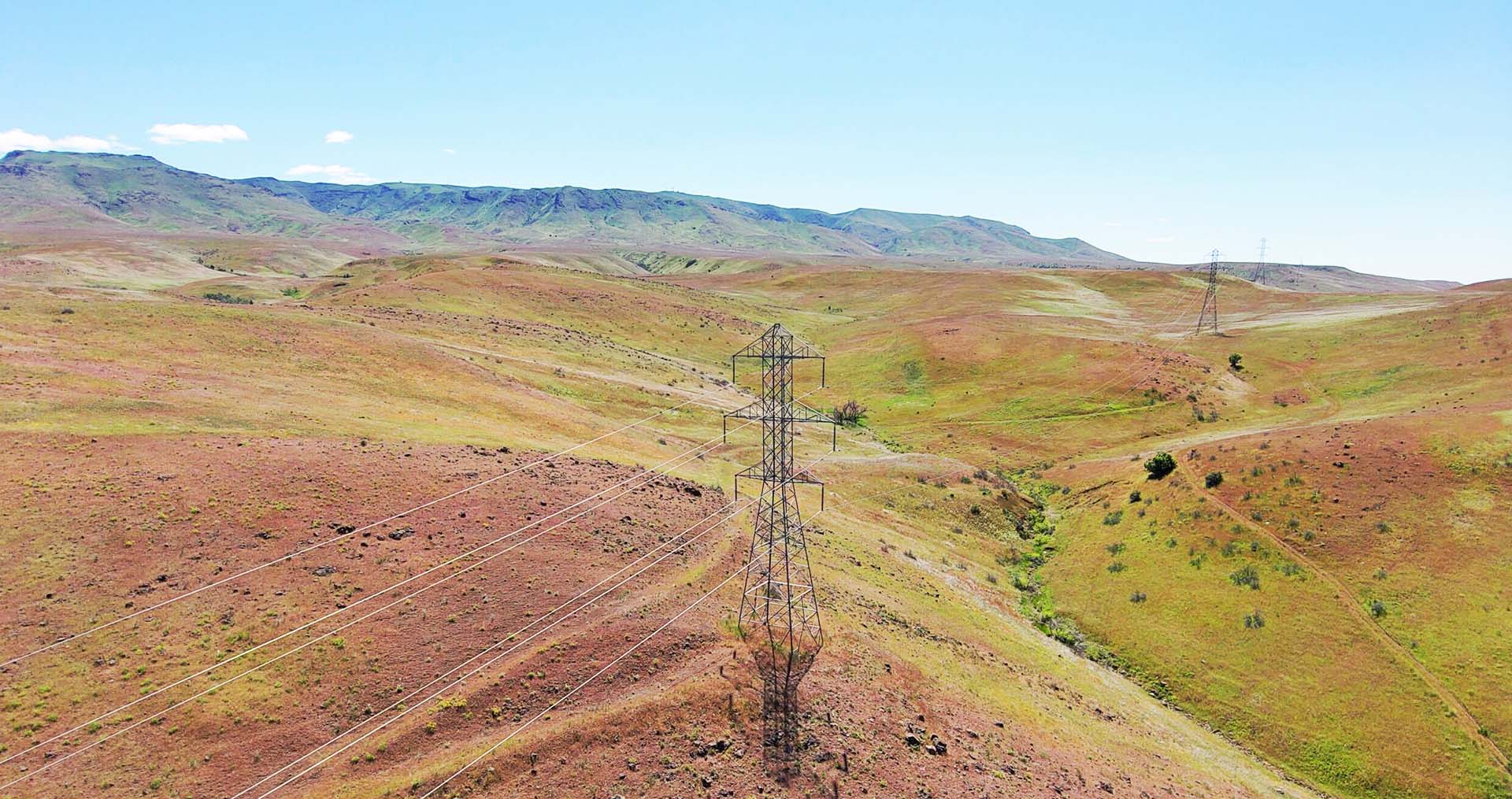
This plant will provide up to 222 MW of energy – enough to power about 178,000 average homes. It will sit on a 20-acre parcel at the northwest corner of Milner Road and 5200 N E Road in eastern Twin Falls County. This rural location has access to an existing natural gas pipeline to the south, and local transmission associated with the nearby Milner Dam hydro facility to access the electrical grid.
Purpose and Need
Energy demand across Idaho Power’s service area is increasing, driven by new homes, businesses, major industries, and agriculture expansion. Over the next 20 years, demand is expected to grow by nearly 45%, with more than half of that increase coming in the next five years.
The proposed South Hills Power Plant supports Idaho Power’s “all of the above” strategy to serve growing demand. That approach calls for high-voltage transmission lines and energy storage investments, as well as new generation resources with the goal of meeting our customers’ growing energy needs safely, reliably, and affordably.
Benefits
Provides dependable power at a lower cost compared to other energy sources.

Quickly adjusts to changing demand to serve homes, businesses, and farms across our communities.

Building near existing transmission lines keeps project and customer costs down.

Construction will bring skilled workers to the area and support local businesses, while adding permanent jobs to operate the plant.
Timeline and Current Status
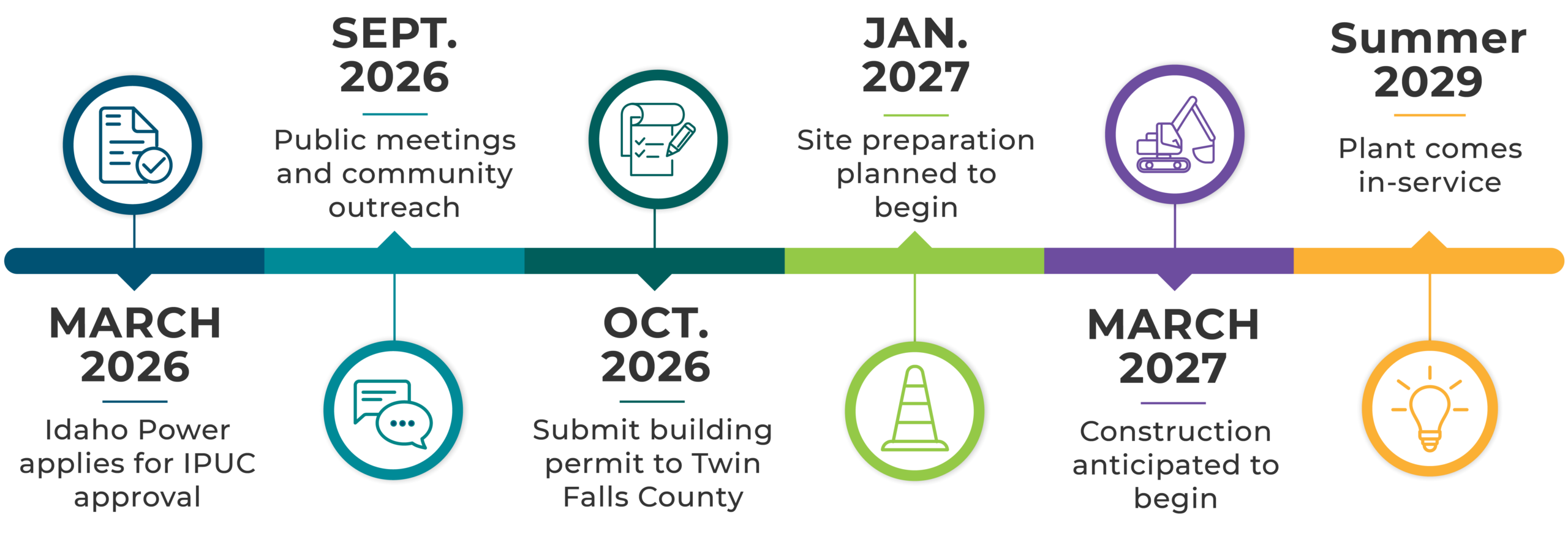
This new large generation resource requires approval from the Idaho Public Utilities Commission (IPUC). We submitted our request for approval in March. Public comments are being accepted by the commission through July 31. If approved, construction on the project would begin in 2027, with the plant scheduled to come online by summer 2029.
Frequently Asked Questions
Why this location?
The site is near existing infrastructure, making it more cost-effective to build and operate than other potential sites. Local transmission lines already connect the existing Milner substation and move energy efficiently to Idaho Power’s electrical grid.
What will the project include?
This facility will include two engine halls, each containing six engines, along with associated support equipment to ensure reliability and compliance with state and federal regulations. – Exhaust stacks will be comparable in height with existing transmission line towers and other structures in the area such as grain silos.
Is the project safe?
We have safely operated natural gas facilities in Elmore County for 25 years and Payette County for 15 years without incident. The plant would be maintained and operated by skilled Idaho Power employees who live and work in the area.
Will this affect air quality?
The new gas plant would comply with all state and national air quality standards. The Idaho Department of Environmental Quality (DEQ) would review and issue an air quality Permit-to-Construct before the plant begins operating.
Will there be noise?
Although the final plant design is still being developed, Idaho Power will use a combination of noise-reduction measures to keep sound levels reasonable.
How much water will the plant use?
Idaho Power is focused on using water responsibly and efficiently. Water use at the South Hills plant will be limited — roughly similar to what two average homes use during normal operations. Reciprocating engine-based power plants use very little water because they rely on closed-loop, air-cooled radiator systems instead of water-based cooling.
Questions?
Contact Idaho Power project manager, Brady Lang at blang@idahopower.com.