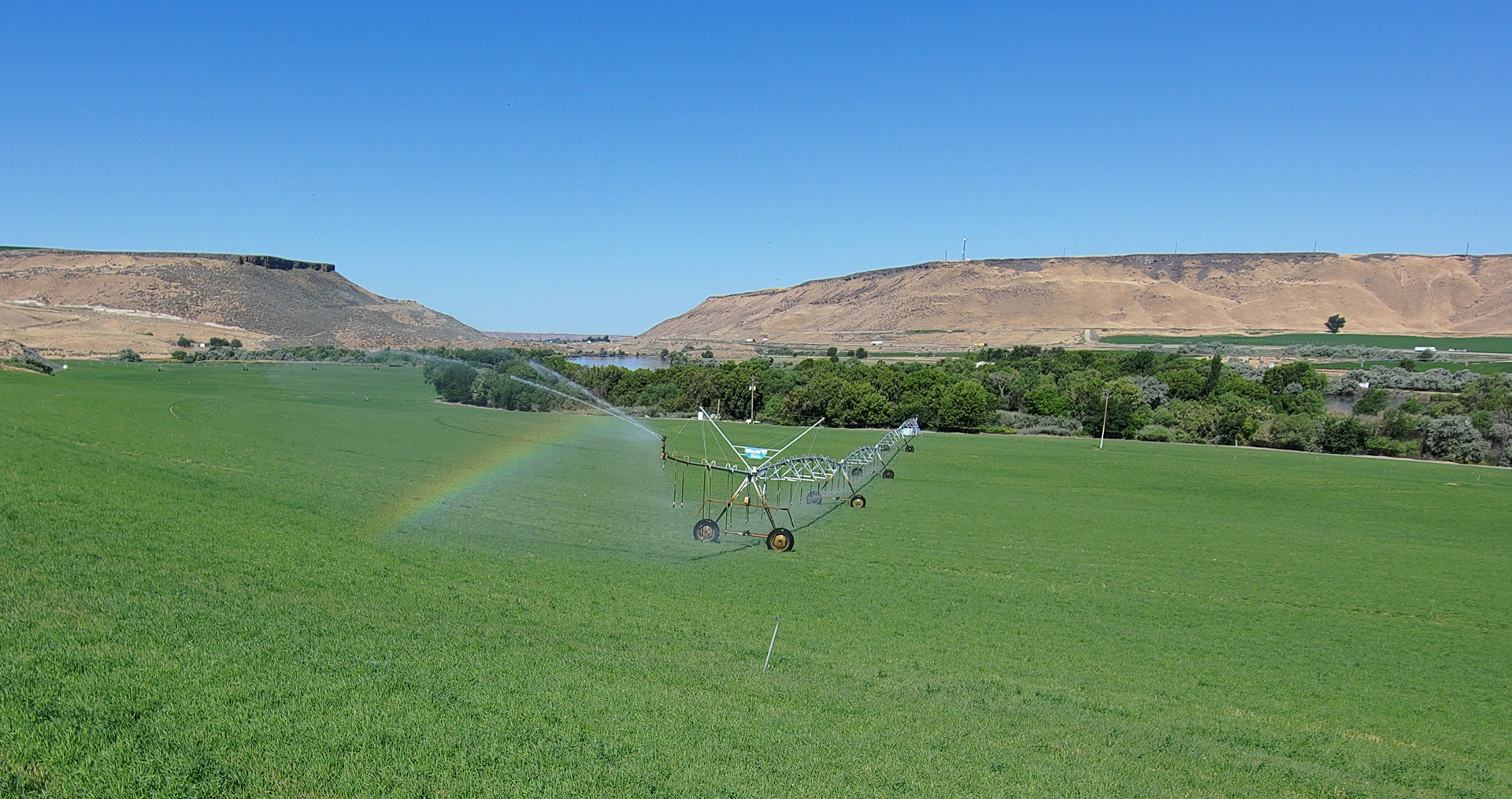
Electricity used to run irrigation pumps is often a large contributor to total energy use on farms. We’re here to help you reduce energy use where possible.
Ideas that can help reduce energy costs:
- Pump only the water the crop actually needs: Use soil moisture, ET/weather data, crop growth stage, and irrigation scheduling to reduce unnecessary pumping.
- Reduce system operating pressure: Avoid producing more pressure than the irrigation equipment requires. Pressure is a major component of total pumping head, and both lift and system pressure as critical factors determining irrigation energy consumption and operating cost.
- Test pump efficiency: Periodically conduct a pump test measuring flow, pressure/head, and electrical power.
- Repair, adjust, or replace inefficient pumps: Worn impellers, incorrect impeller sizing, excessive clearances, or a pump operating far from its efficient operating range can increase energy use.
- Use VFDs where flow or pressure varies: VFDs are especially useful when pumps serve varying flows, multiple pivots/zones, corner systems, VRI, or changing pressure requirements. However, a VFD is not automatically an energy-saving measure on every pump.
- Reduce pipe and fitting friction losses: Properly sized pipe, clean screens, fewer restrictions and fittings, and unobstructed suction piping reduce the head the pump must overcome.
- Repair leaks promptly: Mainline leaks, pivot boots, valves, drains, risers, fittings, and sprinkler leaks waste both water and the energy already used to pressurize that water.
- Maintain sprinkler packages and pressure regulators: Check worn nozzles, plugged sprinklers, regulators, end guns, and incorrect nozzle sizes. Poor distribution uniformity can cause growers to irrigate longer just to adequately water the driest areas.
- Match the pump to the irrigation system: Pump selection should provide the required flow and total dynamic head near the pump’s high-efficiency operating region, rather than relying on throttling to compensate for an oversized pump.
- Perform annual irrigation-system maintenance: Inspect the intake, pump, motor, electrical system, pipelines, sprinklers and pivot/drip equipment before and during irrigation season