August 4, 2008
Unique Display Provides A Look At Early Life In The Magic Valley

In 1904, the early promoters of the Magic Valley knew there was just one way to sell people on the idea of moving there: you just had to show it to them. Their choice to do that was photographer Clarence Bisbee.

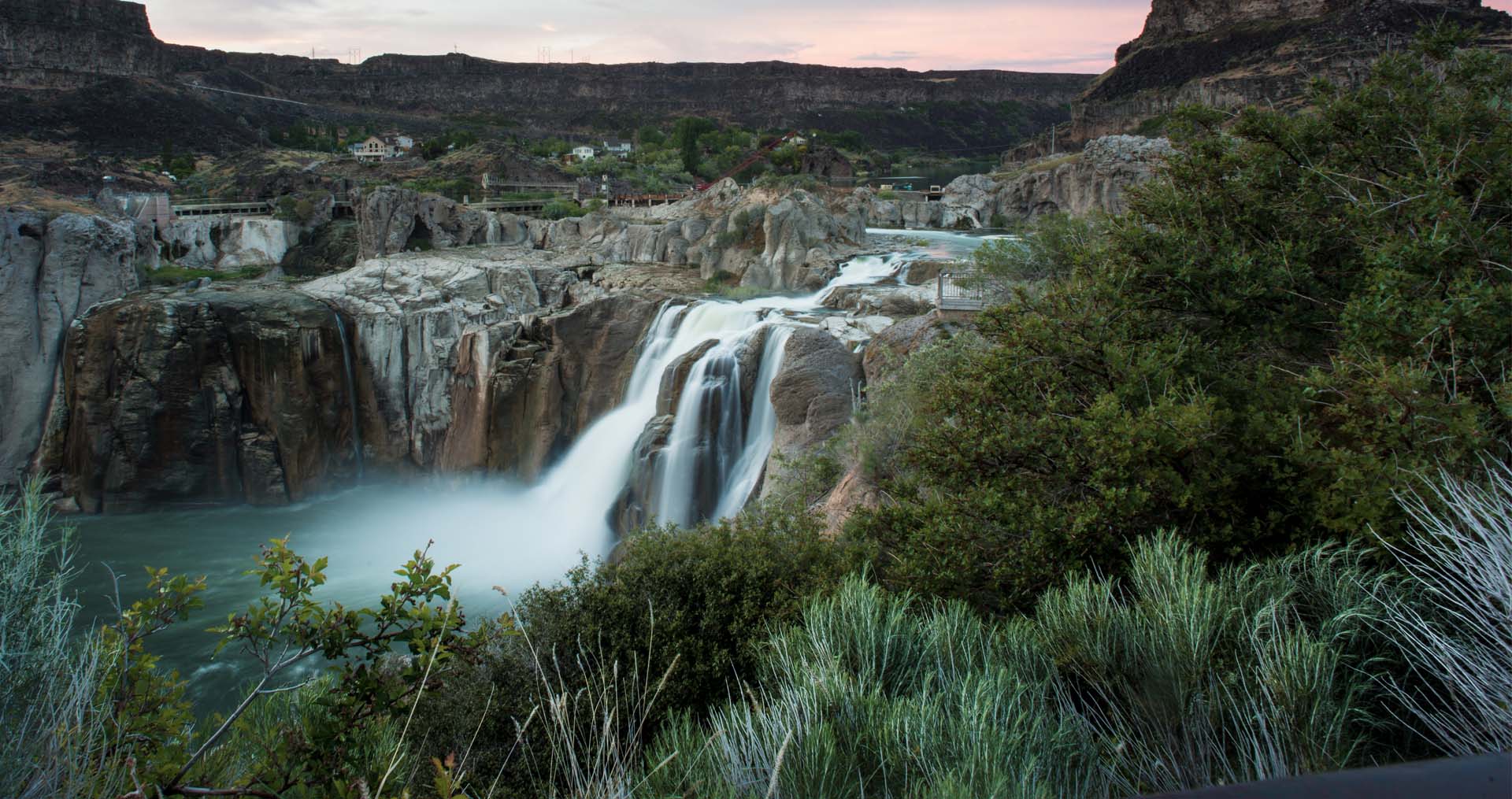
Examples of Bisbee’s work, which include photos of businesses, farming and daily life in early Twin Falls, Idaho, are part of a permanent display developed by Idaho Power at Shoshone Falls Park. The company created the large multi-panel display in cooperation with the City of Twin Falls.

“Part of our federal license agreement to operate the Shoshone Falls Dam requires us to develop historic or informational signage and certainly the work of Clarence Bisbee meets that standard,” said Idaho Power Recreation Technician Cindy Sorensen. “His photos give us a unique perspective of a growing Magic Valley. The display provides a taste of his valuable work.”

His subjects were mostly promotional, offering proof that schools, churches, businesses and other necessities of civilization existed in this small town on the remote high desert.

Bisbee’s black and white images recorded Magic Valley economic development, social life and landmarks, but mostly the area’s striking topography—towns, the Snake River, the canyon, the falls, other natural features and irrigation systems from dams to ditches.

Shoshone Falls Dam, opposite the Shoshone Falls Park, is one of 17 hydroelectric projects on the Snake River or its tributaries owned and operated by Idaho Power.

From April through Labor Day Weekend, Idaho Power provides a minimum flow of 300 cubic feet per second (cfs) over the spectacular Shoshone Falls. This week approximately 1,500 cfs are going over the falls as water from upstream reservoirs is released to assist with the outmigration of juvenile salmon.